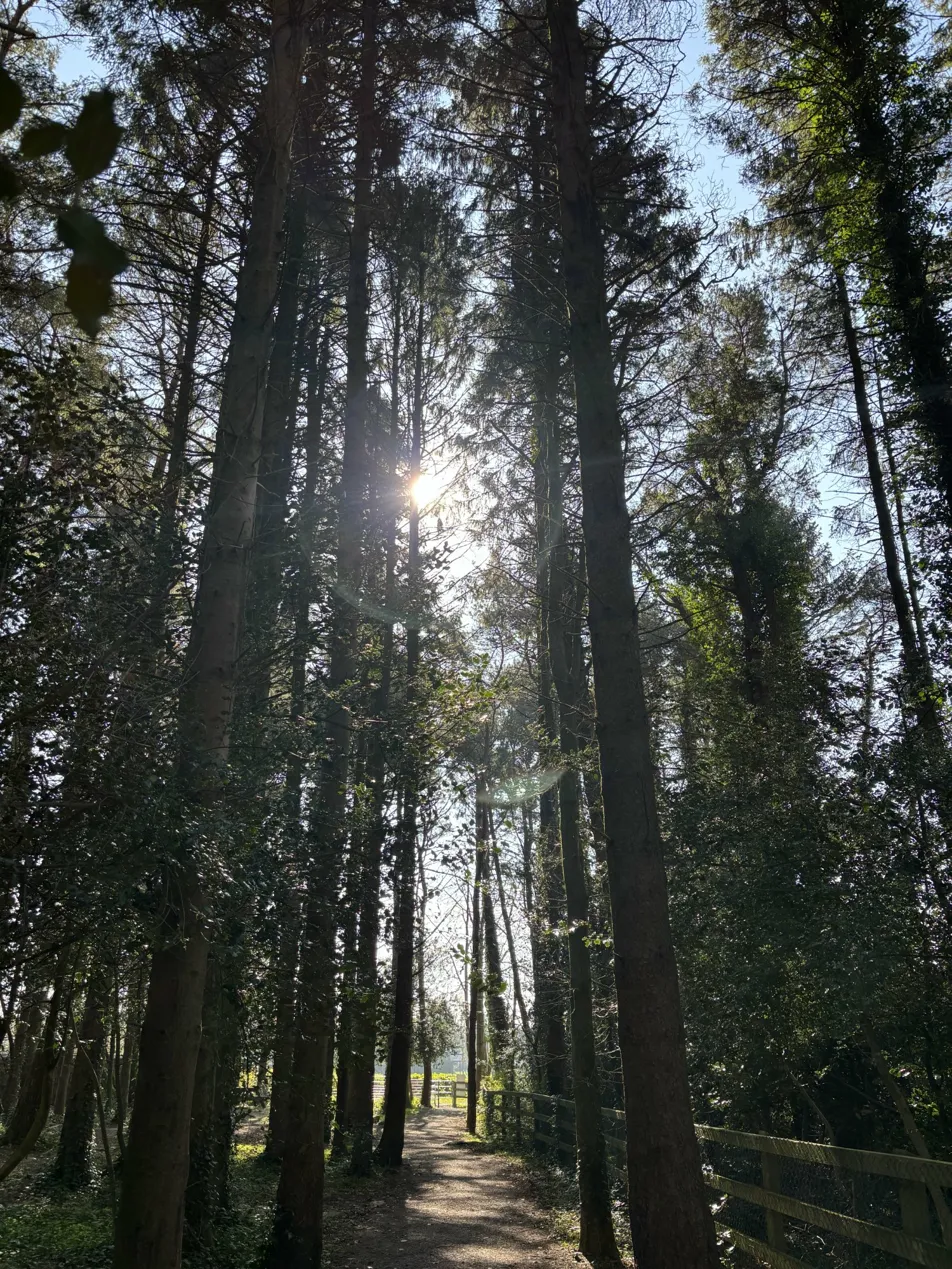
In recent years, more people have been turning to the forest for restoration, clarity, and emotional grounding. Some wander alone, following their own rhythm. Others choose to join a guided forest therapy session, stepping into a held, intentional experience.
A 2021 study published in the International Journal of Environmental Research and Public Health explored a simple but important question: Does it make a difference whether someone experiences forest therapy alone or with a guide?
The findings offer a fascinating glimpse into how we heal—and why guided experiences can deepen that process in ways many people don’t expect.
The Forest Helps Us All—No Matter How We Enter It
Across both groups—self‑guided and guided—participants described the forest as a multisensory sanctuary. They spoke of:
- birdsong and wind moving through branches
- the colours and textures of trees
- the grounding feel of earth underfoot
- the scent of soil, moss, and fresh air
These sensory encounters supported five broad areas of wellbeing:
- shifts in mind and body
- emotional release
- clearer thinking
- a sense of connection
- deeper self‑reflection
In other words, the forest itself is therapeutic. Simply being among trees begins to soften the edges of stress and bring us back to ourselves.

Where the Paths Diverge: Alone vs. Guided
While both approaches are beneficial, the study revealed meaningful differences in the type of healing people experienced.
Self‑Guided Forest Time: A Journey Inward
Those who walked alone tended to turn deeply inward. Their reflections centred on:
- personal insights
- organising thoughts
- quiet contemplation
- being fully with themselves
This mirrors what many of us intuitively know: solitude in nature invites introspection. It’s a space where the mind can wander, settle, and make sense of things.

Guided Forest Therapy: A More Emotional and Social Experience
Participants in the guided sessions reported stronger emotional shifts and far greater feelings of connection. They described:
- shared joy and laughter
- reduced anxiety and tension
- a sense of belonging
- trust and intimacy within the group
- feeling supported, held, and uplifted
These weren’t small differences—they were statistically significant. The presence of a guide, the structure of the session, and the shared experience all contributed to a deeper emotional impact.
Why a Guide Matters
A forest therapy guide doesn’t replace the forest. A guide amplifies what the forest can do.
Guided sessions introduce elements that don’t naturally arise on a solitary walk:
- invitations that spark creativity, play, and presence
- gentle facilitation that helps people feel safe and supported
- shared meaning‑making that strengthens connection
- rituals that deepen intention and emotional resonance
- a sense of being held rather than navigating alone
These layers create a container where people can relax more fully, open more deeply, and experience the forest not just as a place—but as a companion.

So Which Is Better?
It depends on what someone is seeking.
If the intention is quiet reflection, solitude may be enough. But if the longing is for:
- emotional uplift
- stress relief
- connection
- belonging
- shared joy
- a structured, supported experience
…then guided forest therapy offers something uniquely powerful.
This is where the heart of Woodland Scéalta lives: in creating spaces where people feel safe enough to soften, curious enough to explore, and connected enough to let the forest work its quiet magic.
A Closing Thought
The forest heals—but with a guide, it heals in ways that are richer, warmer, and more deeply human.
If you’re navigating a tender season — grief, illness, or a life transition — read our companion post on why guided forest therapy matters when life feels tender.

Serving Waterford, Kilkenny & Wexford, Ireland
Currently accepting early interest for June/July 2026 launch
Follow us
Leave a Reply